

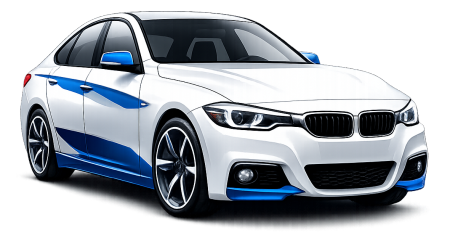
MOT for Cars
(Class 4)
Ensure your vehicle meets all UK safety and emissions standards with our Class 4 MOT for cars and light vans. Using DVSA-approved testing equipment and advanced diagnostics, we assess all critical systems — from brakes and suspension to lighting, emissions and structural integrity. Fast, precise and fully compliant, designed to keep you safe and road-ready.
BOOK A MOT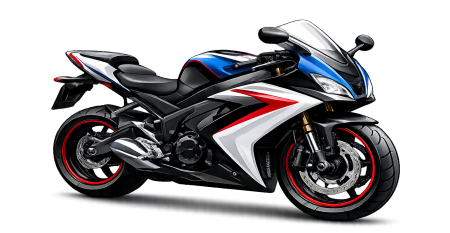
MOT for Motorcycles
(Class 1 & 2)
A specialist MOT service tailored for scooters, motorbikes and high-performance motorcycles. We perform a detailed safety inspection including brakes, tyres, steering, lighting, frame condition and emissions compliance. Whether you ride daily or seasonally, our motorcycle MOT ensures your bike remains safe, responsive and legally compliant.
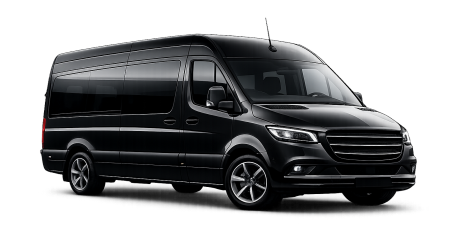
MOT for Commercial vehicles
(3,001–3,500kg)
Professional MOT testing for larger commercial vehicles, including vans and goods carriers up to 3.5 tonnes. We evaluate braking performance, suspension load integrity, emissions, lighting and structural safety using equipment capable of handling higher-weight vehicles. Reliable, efficient and compliant — essential for keeping your business on the road.
BOOK A MOTThe MOT test is an annual, legally required safety and emissions inspection that confirms your vehicle remains roadworthy and compliant. Using DVSA-approved equipment and modern diagnostics, the test evaluates critical safety systems — not engine performance, tuning, or wear — but the components that protect you, other road users, and the environment.Where precision meets innovation, our inspections combine advanced diagnostic technology with highly trained technicians to ensure your commercial vehicle meets the strictest UK safety and emissions standards — with zero guesswork and full transpare
What We Inspect
Safety & Control Systems:
- Braking efficiency, balance & mechanical condition
- Steering precision, joints, and power-assist systems
- Suspension components, bearings, mounts & structural integrity
Visibility & Signalling
- Headlight alignment, output & signalling devices
- Windscreen condition, wipers & washers
- Mirrors & mandatory indicators/warning lamps
Tyres & Road Contact
- Legal tread depth
- Structural condition (sidewalls, cords, flat spots)
- Correct load and speed ratings where applicable
Emissions & Exhaust System
- Petrol/Diesel emissions compliance & smoke opacity
- DPF & catalytic converter integrity
- Exhaust routing, mountings & noise compliance
Electrical & Safety Restraints
- Battery security & wiring condition
- Seatbelts, anchorage points & restraint systems
- Dashboard safety/emissions warning lights (ABS, SRS, EML, etc.)
Regulatory Compliance
- Number plates, VIN visibility & horn function
- Fuel system integrity (no leaks)
- Secure closures (doors, bonnet, tailgate)
Common MOT Fail Points
Vehicles typically fail for Major or Dangerous defects such as:
- Brake wear or imbalance
- Non-functional lights or misaligned headlights
- Tyres below legal tread depth or with structural damage
- Windscreen damage in the driver’s swept zone
- Excessive emissions or smoke
- Suspension wear, damaged mounts or play
- ABS / SRS / EML warning lamps active
- Corrosion in structural or load-bearing areas
- DPF-related smoke or performance issues
Before You Arrive
You don’t need to DIY repairs — just avoid preventable fails:
- All exterior lamps working
- No major windscreen cracks
- Washer fluid topped up
- No active dashboard warnings (ABS / SRS / EML / TPMS)
- Tyres clean, legal & undamaged
- Number plates clean & readable
- Doors/bonnet/tailgate secure
MOT Classes Explained
Class 1 - Small motorcycles up to 200cc
Class 2 - All other motorcycles
Class 3 - Three-wheelers ≤ 450 kg
Class 4 - Cars, vans up to 3,000 kg
Class 7 -Goods vehicles 3,001–3,500 kg DGW
When You Can Take the MOT
You may test up to 1 month (minus 1 day) before your current MOT expires and keep the same renewal date.
Example: If your MOT expires on 20 June, you can test from 21 May onward.
We elevate the MOT from a basic legal requirement to a precision-driven inspection. With advanced diagnostic platforms, calibrated DVSA test equipment and technicians who understand the mechanical “why” behind the readings, you get accuracy, transparency and zero guesswork.
1. Tech-First Testing — DVSA-approved equipment + modern diagnostics
2. True Diagnostic Insight — We interpret data, not just pass/fail it
3. Transparent Results — No upsells, no hidden fees, just facts
4. Fast Workflow — Efficient testing without cutting corners
5. Warning Light Expertise — If a lamp is on (ABS/EML/SRS etc.), we can diagnose
6. Trusted Locally — Consistency, honesty, and strong repeat loyalty
Annual MOT checks aren’t about “does it run” — they’re about does it protect you + everyone else on the road. We test the systems that matter: brakes, steering, lights, suspension, emissions and electronics. If something’s unsafe, non-compliant, or throwing up warning lights, we catch it — accurately and without drama.